Home

Install

Garage Drywall InstallationBasement Drywall InstallationDrywall Installation

Finish

Drywall Taping & MuddingDrywall Finishing

Repair

Drywall PatchingWater-Damaged Drywall RepairCeiling Drywall RepairDrywall Repair

Specialty

Commercial Drywall ServicesResidential Drywall ServicesPopcorn Ceiling Removal

More

All servicesTimelinesFAQGet a free estimate

Drywall doneproperly.No drama.

Menomonee Falls Drywall hangs, finishes and repairs drywall for homes and businesses in Menomonee Falls, Wisconsin. You get a written price, a real timeline and a clean job site.

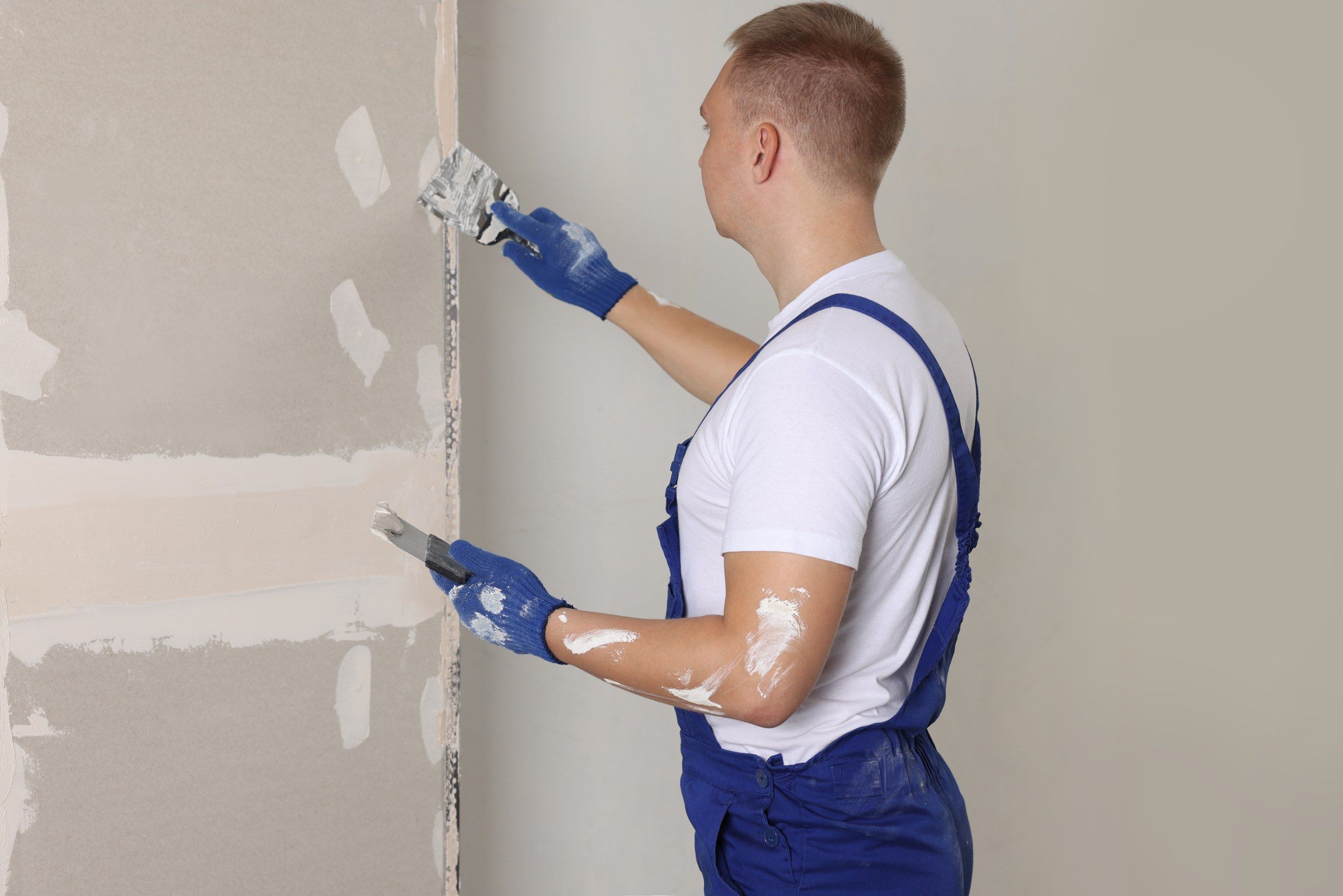
Drywall finisher in blue overalls taping an inside corner with two knives
Stock photo for illustration

Estimate request

Free · written

Room sizes, what happened, and your timing all help us give a realistic figure.

Up to 5 images, 10 MB each.

We use these details only to reply about your project.

  • Price in writingScope, finish level and total, before any work starts.
  • Real timelinesDrying time is in the schedule, not ignored.
  • Clean job siteCovered, contained and swept up daily.
Timelines

How long it really takes

Drywall is mostly waiting. Each coat of compound needs about a day to dry, and no crew can change that. Here is what a normal job looks like.

  1. Day 1

    Protect and hang

    Floors covered, room sealed, board hung on ceiling and walls.

  2. Day 2

    Tape

    Corner bead on, every joint taped, first coat on fasteners.

  3. Day 3

    Second coat

    Tape covered, joints leveled.

  4. Day 4

    Third coat

    Wide, thin finish coat.

  5. Day 5

    Sand and check

    Sanded, inspected under a light, cleaned up.

Typical working days. Size, ceiling height and humidity move it a day or two either way. Your estimate has the real schedule.

Who we work for

Homes and businesses

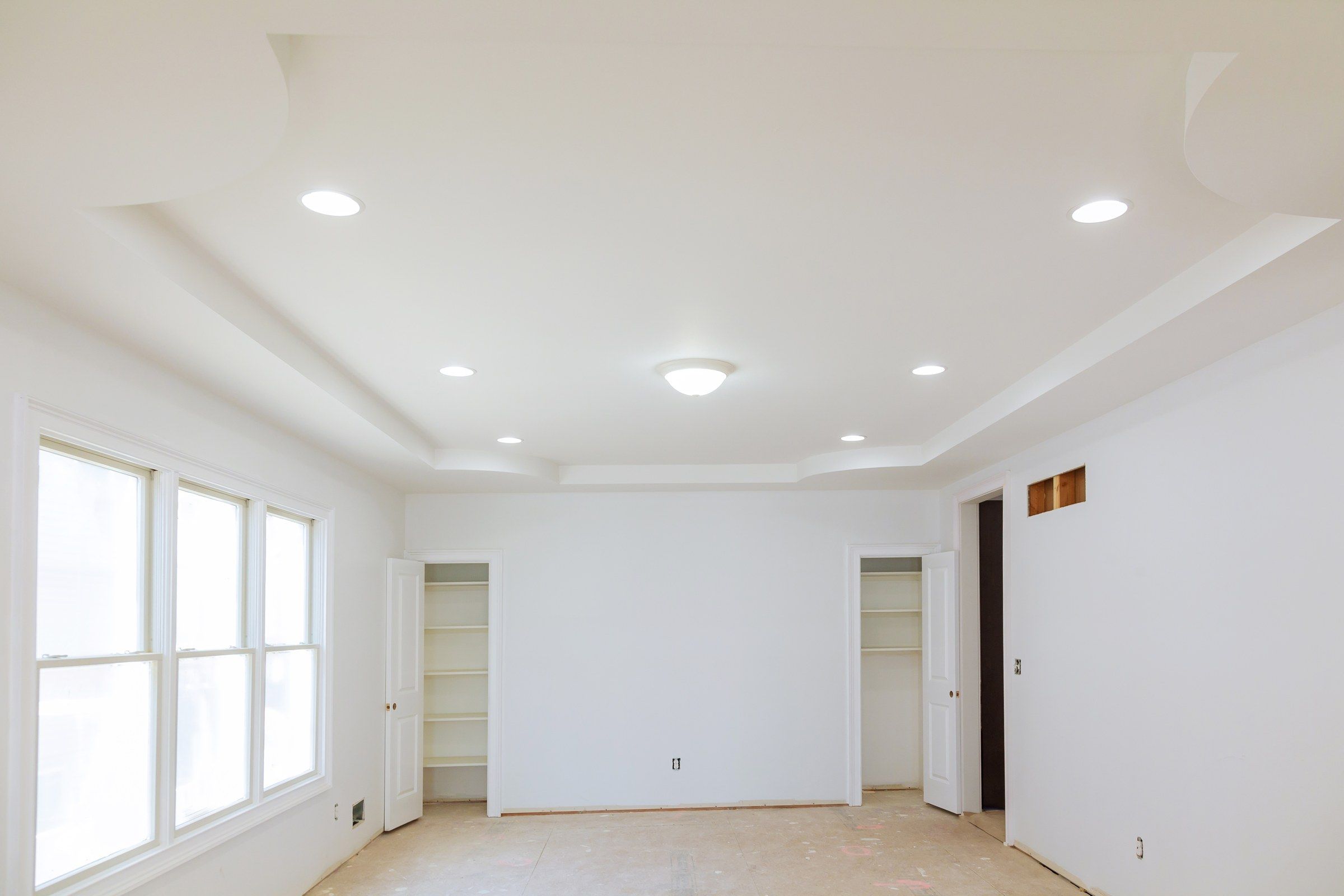
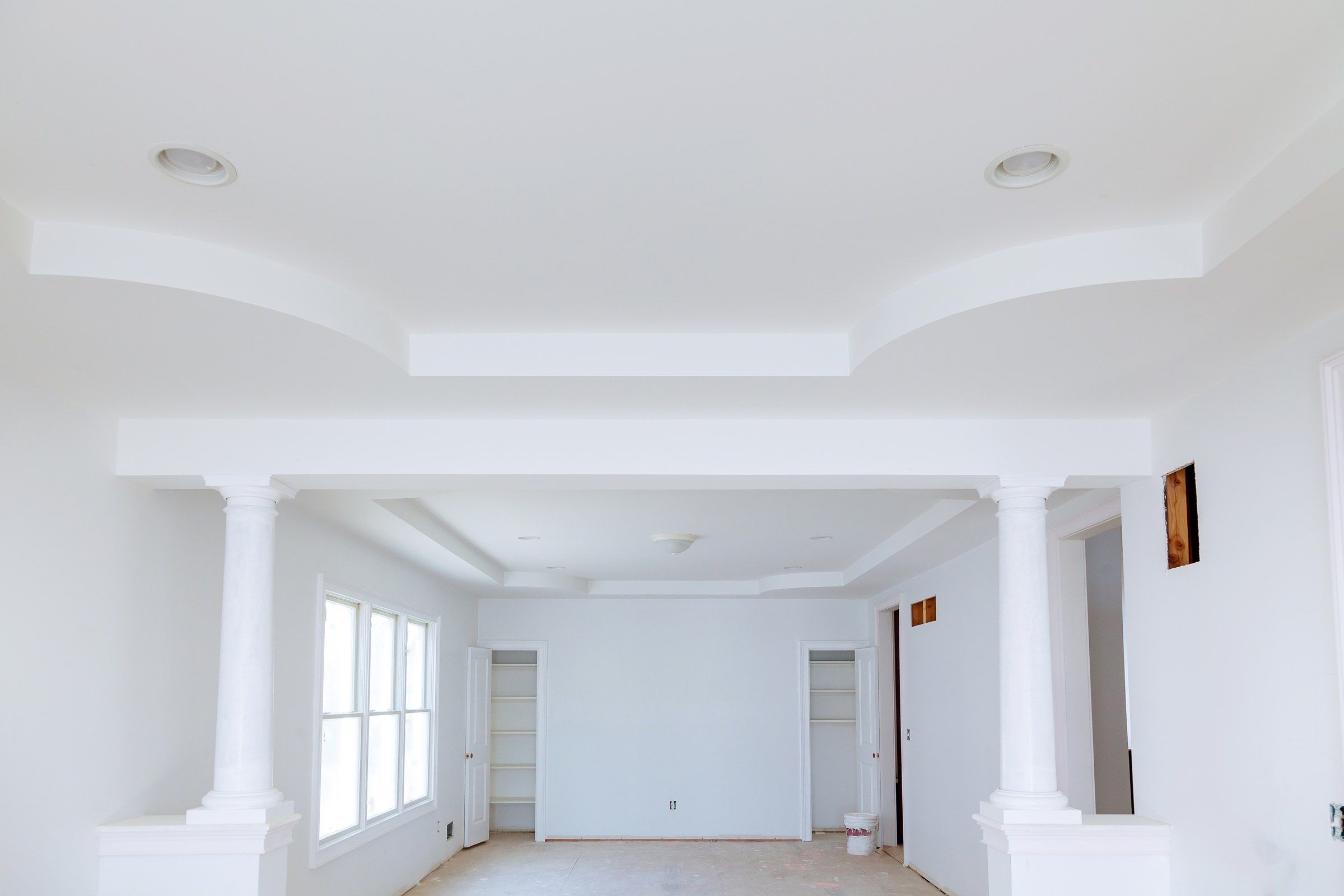
Finished white room with tray ceiling, columns and recessed lights

At your house

You are living there while we work. So we cover the floors, seal off the room, tell you which days we are coming and clean up before we leave.

  • Remodels and additions
  • Basements and garages
  • Popcorn ceiling removal
  • Cracks, holes and leak damage
Residential drywall
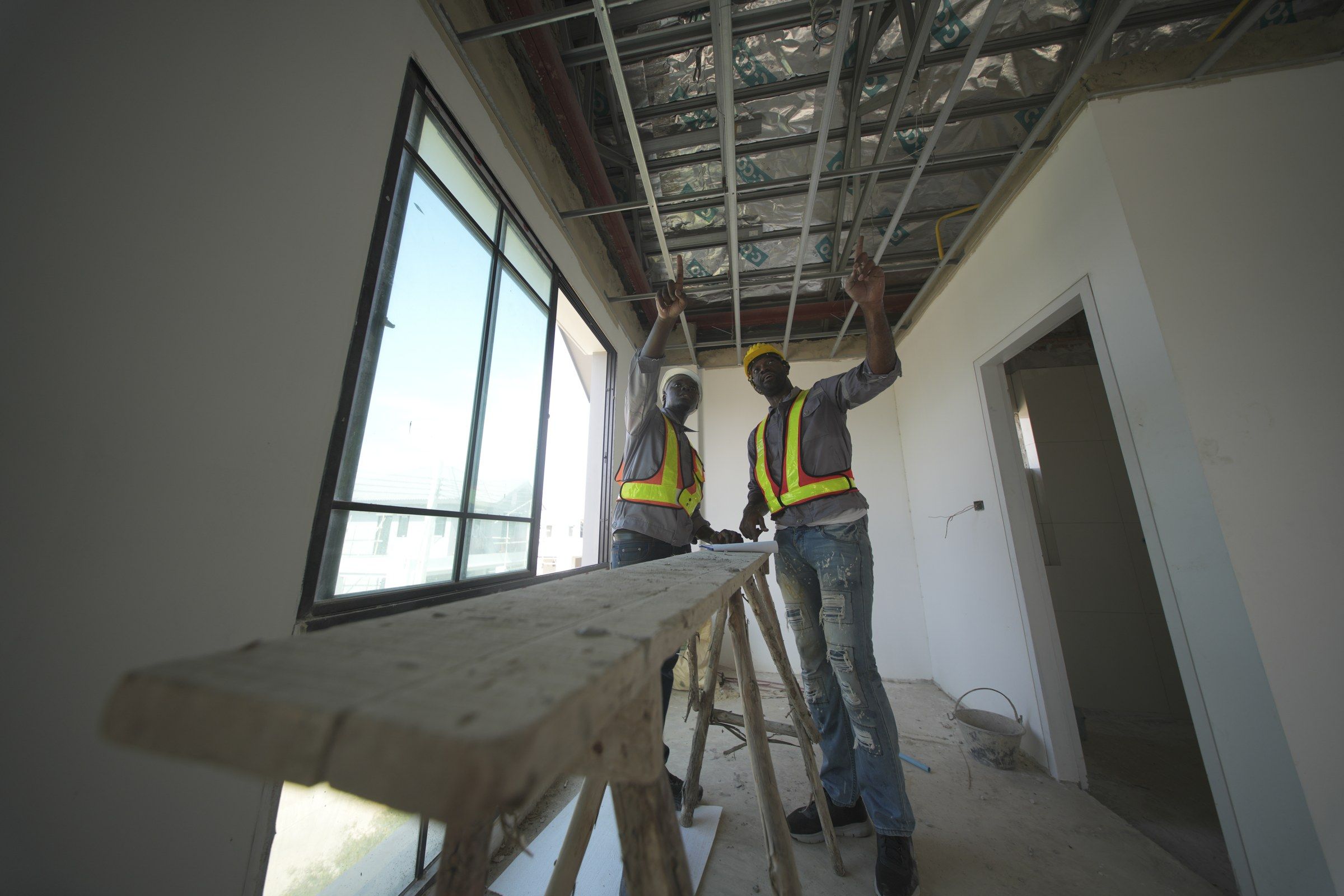
Workers in safety vests checking ceiling framing during a commercial renovation

At your business

You have customers, staff and other trades to think about. We build to the plan, hold our dates and work after hours when that is what it takes.

  • Tenant fit-outs
  • Steel stud framing
  • Fire-rated walls
  • Repairs in occupied space
Commercial drywall
How we work

Three things we will not do

Most drywall complaints come down to the same three shortcuts. We do not take them.

  • Quote a number with no scope

    A price means nothing if you do not know what it covers. Ours lists the areas, the board, the finish level and the days.

  • Coat over wet compound

    It saves a day and costs you cracks and shrinkage six months later. Each coat dries first.

  • Leave you the mess

    Dust in the furnace filter and scrap in the driveway is not a finished job. We contain it and haul it.

Before and after

Hung board versus finished wall

Drag the bar across. One side is drywall as it looks after hanging. The other is what finishing turns it into.

About finishing
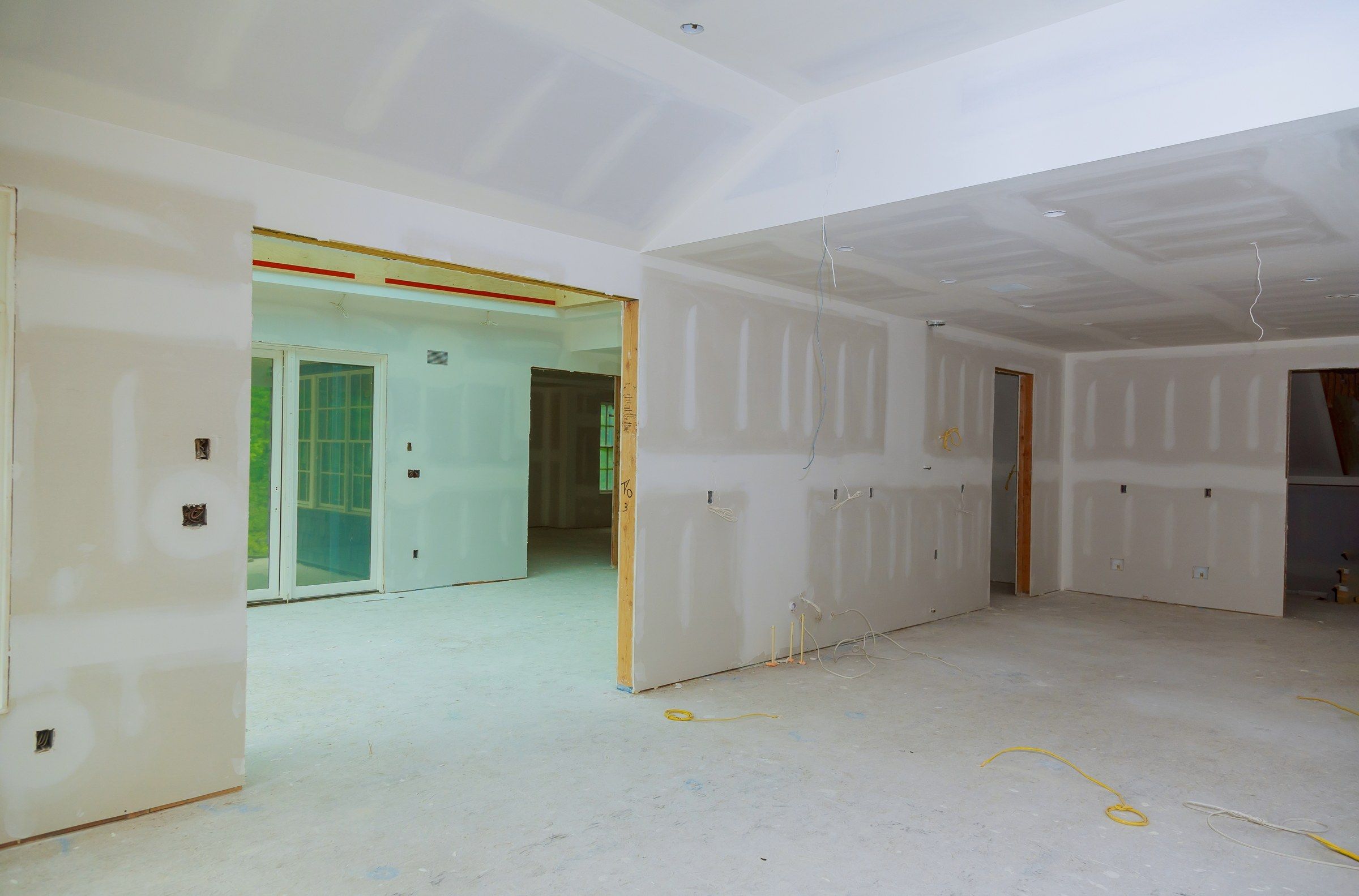
After: finished room with smooth walls and ceilingBefore: house interior with drywall hung and joints exposed

Stock photos, shown to illustrate the result. Not one of our jobs.

Service area

Menomonee Falls and the towns next door

We work throughout the village. The older streets near Main and Appleton, the ranches and colonials built from the 1960s to the 1980s, the newer subdivisions north and west, and the shops and industrial parks along County Line Road.

Short drives mean we can come back for a second coat without it turning into a scheduling problem.

Where we work

  • Menomonee Falls
  • Germantown
  • Sussex
  • Lannon
  • Butler
  • Brookfield
  • Pewaukee
  • Northwest Milwaukee
Reference

Reference: what to know before you hire a drywall contractor

Plain information, in no particular order. Read what applies to your job.

The three stages

Hang. Tape. Finish. Hanging fastens the board to the framing. Taping covers the joints and screws with tape and compound. Finishing is the last coats and sanding that leave the surface ready for primer.

Estimates should say which stages are included. A low price sometimes turns out to be hang only.

Finish levels

Level 0 is bare board. Level 1 is tape only, for hidden spaces. Level 2 is one coat, for garages and behind tile. Level 3 is two coats, for walls getting heavy texture. Level 4 is three coats sanded smooth, the standard for painted rooms. Level 5 adds a skim over the whole surface for strong light and glossy or dark paint.

Ask for the level in writing. It is the most common reason two estimates differ.

Board types

Half-inch standard board for most walls. Five-eighths for ceilings on wide framing and for fire-rated assemblies. Moisture-resistant board for bathrooms and laundry rooms. Tile backer, which is not drywall, inside showers.

Thickness has to be consistent across a surface and has to match when new board meets old.

Drying time

Compound dries by evaporation. A standard finish is three coats with a day between each in a heated house. Cold or damp air stretches that. Setting compounds can shorten the early coats on small jobs. The last coat still needs to dry before sanding.

This is why a small repair takes two visits and a room takes most of a week. The working hours are few. The waiting is the schedule.

Heat and humidity

The space needs to be at room temperature from the day before taping until the last coat is dry. In winter that rules out unheated garages and additions unless temporary heat is brought in. In summer, basements need a dehumidifier.

Compound that freezes is ruined. Compound that dries too fast, in front of a heater, cracks.

Dust

Sanding makes fine dust. It is controlled by sealing the room with plastic, covering supply and return vents, and sanding with tools connected to a vacuum. Cleanup is done with a vacuum, not a broom.

Expect a light film in the work area for a day or two. The rest of the house should stay clean.

Permits

Repairs do not usually need one. Finishing a basement, building an addition, or altering a commercial space generally does. Where a permit applies, framing, wiring, plumbing and insulation are inspected before drywall covers them.

The Village of Menomonee Falls, or the municipality where the property sits, sets the rules. Check with the building department before work starts.

Older texture and paint

Sprayed ceiling texture from before the mid-1980s can contain asbestos. It should be lab tested before it is scraped or sanded. Homes built before 1978 may have lead paint. Tell your contractor the age of the house.

Neither is a reason to panic. Both change how the work is done.

Repair or replace

Board that is dry, firm and well fastened can be repaired. Board that has been soaked, has gone soft or crumbles at the screws should be replaced. A surface with many old patches is often better skimmed or covered with new board than patched again.

The smaller job is the right one when it will last.

Primer

New drywall and compound must be primed before paint. Paper and compound absorb paint at different rates. Without primer, joints and patches show through as dull bands. A drywall primer evens the surface.

Inspect after primer and before color. Flaws are easiest to see and easiest to fix at that point.

Cracks and pops

Wood framing shrinks in dry winter air and swells in humid summers. Drywall does not move with it. The result is screw pops and hairline cracks at corners and over doors, mostly in the first years of a new house.

They are cosmetic. They are best repaired together, after the house has been through at least one heating season.

What to send for an estimate

Photos: one wide, one close, with something for scale. Room sizes and ceiling height. Whether the space is occupied. The cause, if it is a repair. The date you need it done by.

Small jobs can often be priced from that alone. Larger ones need a visit to measure and to look at framing and access.

What to ask any contractor

Which stages are included. What finish level. Whether texture matching is included. Who protects floors and furniture. Who hauls away the debris. How many visits and over how many days. What is not included.

Good answers are specific. If an answer is vague, ask again.

Order of trades

Framing. Rough wiring, plumbing and ducts. Inspection. Insulation. Drywall. Primer and paint. Flooring. Trim, cabinets and fixtures.

Drywall sits in the middle. A delay before it pushes everything after it, so share your dates with every trade.

Homes around Menomonee Falls

The village has housing from several periods. Older homes near the center, mid-century ranches and split-levels, and newer subdivisions with open plans and tall ceilings. Each brings its own drywall work.

Older houses tend to need ceiling repair, texture removal and basement refinishing. Newer ones tend to need settling cracks and screw pops fixed. Commercial space along the main corridors needs partitions built and altered as tenants change.

Doing part yourself

Demolition, clearing rooms and hanging board are within reach of a capable owner. Finishing is the stage to hire. If you plan to hang and have the finishing done, get advice on sheet layout and screw depth before you start.

After the job

Keep the heat steady for a few weeks. Let paint harden before hanging heavy items. Mount anything heavy to framing or blocking, not to drywall alone. Fit door stops.

Keep leftover paint, labeled by room. The next repair will be easier to hide.

Texture

Orange peel, knockdown and skip trowel are the common wall and ceiling textures in this area. Texture hides small flaws and was fast for builders to apply. Smooth walls look cleaner and are easier to repair.

A repair on a textured wall has to be textured to match. A whole room can be changed from textured to smooth by skim coating.

Plaster houses

Some older homes have plaster on wood or metal lath. Small cracks and holes can be repaired with drywall methods and bonding products. Badly cracked plaster ceilings are often covered with a new layer of drywall fastened to the joists.

Tell your contractor if the walls are plaster. The materials and the approach are different.

Fire-rated walls

Certain walls and ceilings are required to resist fire for a set time. The wall between an attached garage and the house is the usual residential example. Commercial spaces have more of them.

A rated assembly is a specific combination of framing, board type and thickness, fasteners and sealed joints. It is built as specified and inspected. Substituting ordinary board is not allowed.

Sound

Standard interior walls block little sound. Insulation in the cavity, thicker board and sealed gaps at the top and bottom of the wall all help. Decide during framing.

Access panels

Any valve, cleanout or junction box that ends up behind drywall needs a panel in front of it. Panels are inexpensive, paintable and easy to fit during the job. Cutting one in later costs more.

Insurance claims

For water or impact damage that may be claimed, photograph everything before work starts and keep dates. Coverage is decided by your insurer. A written scope with measurements is what an adjuster will ask for, and you should expect one from whoever does the repair.

Timing a sale or a move

Walls are among the first things a buyer or a new tenant looks at. A repair visit a week or two before listing photos, followed by paint, is one of the lower-cost ways to improve how a property shows.

Allow for drying time. Even a short list needs two or three visits across several days before the painter can start.

Small jobs

One hole, one crack or one small ceiling stain is normal work for a drywall contractor. Gather every small item in the house into a single list and have them done in the same visits. The cost per item drops sharply.

Corners and bead

Outside corners are formed with a strip called bead, in metal, vinyl or paper-faced metal. It gives a straight edge and takes the knocks. Dented bead is cut out and replaced in sections. Inside corners are taped with folded paper tape.

Rounded corners use a bullnose bead. If the house has them, any repair has to use the same radius.

Soffits and boxes

Ducts, beams and drain lines that hang below a ceiling are framed in and covered with board. Each box has two outside corners along its length. They add finishing time out of proportion to their area, which is why they are counted separately on an estimate.

Written estimates

Get the scope in writing before work starts. Areas, board types, finish level, number of visits, what is protected, what is hauled away and what is excluded. If something cannot be known until a wall is opened, the estimate should say how that part will be priced.

Changes during the job should be priced and agreed in writing before they are carried out.

FAQ

Quick answers

Anything else, put it in the estimate form. We will answer it with your quote.

What does an estimate cost?

Nothing. Send the form with photos. Small repairs can usually be priced from those. Bigger jobs get a visit and a written quote.

Do you take small jobs?

Yes. One hole, one crack, one ceiling stain. Group a few together and it costs less per repair.

Residential or commercial?

Both. Houses, rentals, offices, storefronts and industrial units.

Are materials included?

Yes, unless you ask for a labor-only price.

How do you deal with dust?

Plastic barriers, covered floors and vents, vacuum sanders and a clean-up before we leave each day.

What area do you cover?

Menomonee Falls and nearby: Germantown, Sussex, Lannon, Butler, Brookfield, Pewaukee, Northwest Milwaukee.

Got drywall work? Get a price.

Free, written and specific to your job in Menomonee Falls.

Get a free estimate

Estimate request

Free. Written. No obligation.

Room sizes, what happened, and your timing all help us give a realistic figure.

Up to 5 images, 10 MB each.

We use these details only to reply about your project.